Thinking about a condo-hotel on 30A but unsure how to finance it? You are not alone. Condotel lending has its own rules, and the details can make or break your plan for personal use and rental income. In this guide, you will learn how lenders view 30A condotels, what down payments and documents you should expect, and how to line up your due diligence so you can buy with confidence. Let’s dive in.
What a condotel means on 30A
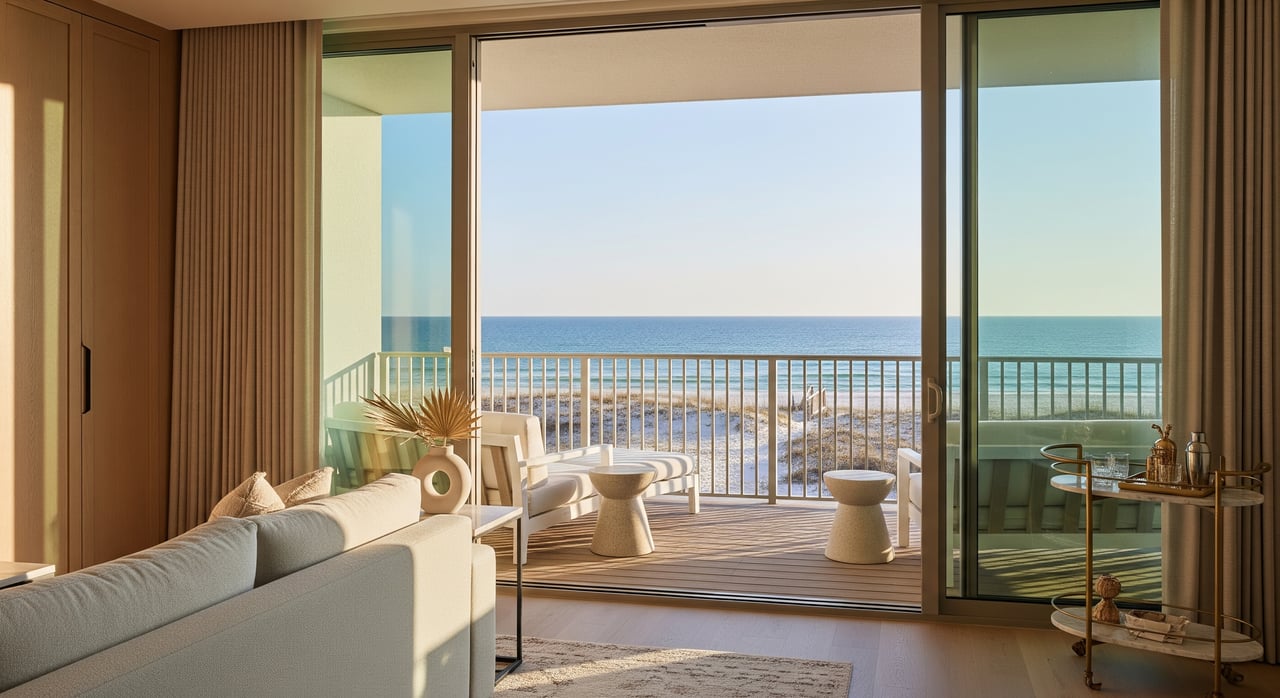
A condotel is a condominium in a building that runs with hotel-style services and a centralized rental program. Units are individually owned, but many owners enroll in an on-site program that markets and books short-term stays. You will often see a front desk, housekeeping, concierge services, and a professional manager.
On 30A, you will encounter several project types:
- Standard condos that allow short-term rentals.
- True condo-hotel structures with rental pools and hotel services.
- Mixed-use buildings with a hotel operator, commercial space, and separate condo ownership.
The local context matters. The 30A corridor has strong vacation demand with seasonal peaks and slower months. Flood and hurricane exposure increase insurance needs and costs, which affects both underwriting and cash flow. Many buildings in Inlet Beach, Rosemary Beach, Alys Beach, and Seacrest participate in short-term rental programs, and some operate as condotels.
Why lender classification matters
Lenders group condo projects into three broad categories:
- Warrantable condos: Typically eligible for conforming financing if the project passes standard agency review.
- Non-warrantable condos: Not eligible for standard conforming programs and often financed by portfolio or specialty lenders.
- Hotel/condotel projects: Often treated as non-warrantable because of hotel-like services or rental pool structures.
This label affects your loan terms. If a project is warrantable, you may qualify for conforming financing with more favorable rates. If it is non-warrantable or a condotel, you will likely work with portfolio or jumbo lenders that require larger down payments, higher rates, and extra documentation. FHA and VA options are limited in hotel-type projects.
What triggers non-warrantable status
Lenders look for risk signals such as:
- A high share of units in short-term rental pools.
- Hotel-style operations with front desk, housekeeping, or management control of rates and bookings.
- A single entity owning a large percentage of units.
- HOA financial stress, low reserves, or active litigation.
- Project documents that grant broad control to a hotel operator or manager.
Down payment, rates, and reserves
Your exact terms depend on the building and the lender, but here is what buyers commonly see in the 30A condotel segment:
- Conforming second-home loans in warrantable projects: Down payments can be as low as 10 percent when the project meets agency condo eligibility. Many condotels will not qualify.
- Condotel or non-warrantable projects: Expect down payments in the 25–30 percent range. Some lenders ask for 30–40 percent based on the project, credit profile, and whether you are an investor or a foreign national.
- Rate and reserves: Rates are usually higher than for standard condos. Lenders often require larger cash reserves, measured in months of principal, interest, taxes, and insurance.
- FHA/VA: These programs are typically restrictive for hotel-type projects. FHA often will not insure units that operate as hotels or where short-term rentals dominate. VA eligibility is limited and depends on project approval.
Counting short-term rental income
Most lenders will not count projected future short-term rental income to qualify. Many will consider historical rental income only when it is documented and supported by tax returns and management statements. A common requirement is two years of documented performance before rental income can be used in qualification.
Documents lenders ask for
Be ready with a complete file:
- HOA documents: CC&Rs, bylaws, budget, 12 months of assessments, reserve study.
- Rental program agreements and P&L statements.
- Master insurance certificates showing property and liability coverage, including wind and flood details.
- Litigation disclosures and condo questionnaires.
- Owner occupancy and investor percentage statistics.
- Personal income documents, including two years of tax returns and any Schedule E rental history.
HOA, rental programs, and your operating reality
Condotel ownership blends personal use with rental potential and HOA rules. These are key items to review because they can affect both financing approval and performance over time.
- Rental program structure: Mandatory enrollment can limit owner control and may concern lenders. Optional programs tend to be more flexible.
- Owner use rules: Note minimum stay requirements, blackout dates, and reservation limits for owners.
- Management authority: Understand who sets rates, approves guests, and allocates revenue.
- Fees and splits: Review the revenue split, marketing fees, booking fees, housekeeping, and any capital reserves or assessments.
- HOA health: Look at reserves, delinquency rates, recent or pending special assessments, and any active litigation.
- Insurance responsibility: Identify what the master policy covers and what you must cover with an HO-6 or individual flood policy. Review deductibles, wind-only provisions, and possible coverage gaps.
Practically, plan for revenue that is concentrated in peak seasons and lower in off-peak months. Insurance and operating costs are higher in coastal Florida. If your lender does not count rental income in qualification, your affordability plan should account for carrying the property on your own income. On resale, non-warrantable projects can narrow the buyer pool, which can affect liquidity and time on market.
Local 30A considerations for Inlet, Rosemary, Alys, and Seacrest
The 30A corridor sees strong summer and fall peaks and lighter offseason demand. That seasonality shapes occupancy, rates, and cash flow timing. In addition, coastal exposure increases the importance of flood zones, elevation certificates, and correct insurance levels.
Short-term rental rules and permitting can vary by jurisdiction within Walton County. For any address you are considering, confirm local STR regulations and registration requirements and understand how they interact with the building’s rental program. This due diligence helps you avoid compliance issues and supports clean underwriting.
Step-by-step due diligence checklist
Use this checklist to prepare for lender review and to validate your investment assumptions.
- Financing feasibility
- Ask whether the specific building is warrantable. If not, identify portfolio or jumbo options and typical down payments and rates.
- If you plan on FHA or VA, verify project approval before you write an offer.
- Project and HOA documents
- CC&Rs, bylaws, and declarations.
- Current year budget, financials, and month-to-month operating statements.
- Reserve study and details on any special assessments in the past 12–24 months.
- Master insurance certificates, including wind and flood deductibles.
- Owner-occupancy and investor percentages, plus HOA delinquency rates.
- Litigation letter and details on any pending suits.
- Condo questionnaire for lender pre-review.
- Rental program and performance
- Copy of rental management agreement and whether enrollment is optional or mandatory.
- At least 24 months of rental P&L statements with gross and net to owner, occupancy rates, and ADR trends.
- Details on booking channels, owner reservation rights, and blackout periods.
- Fee schedule, tax handling, and distribution timelines.
- Insurance and hazard risk
- Flood zone confirmation and any available elevation certificate.
- Coverage summary of the master policy and owner-required HO-6, contents, and flood policies.
- Quotes for HO-6 and flood so you can accurately model carrying costs.
- Lender and tax questions
- Clarify whether and how rental income will be counted for qualification and what documentation is required.
- Confirm down payment and reserve requirements for your most likely loan option.
- Discuss how short-term rental revenue is reported for taxes and how occupancy taxes are handled.
- Local research
- Verify local STR rules and permit needs for the exact address.
- Use short-term rental data and speak with local property managers to align revenue expectations with seasonality.
- Ask managers about guest profiles, typical expenses, turn costs, and maintenance.
- Practical buying actions
- Engage a lender early, especially those experienced with Florida condotels.
- Get the condo questionnaire from the HOA so lenders can pre-underwrite the project.
- Budget for a higher down payment, a higher rate, higher reserves, and potentially higher insurance and assessments than a standard condo.
Example financing scenarios to frame expectations
- Second-home in a warrantable condo: You may find a conforming loan with a down payment as low as 10 percent, subject to agency and project approval. Your rate and reserves look similar to other second-home loans.
- Condotel or non-warrantable project: Expect 25–30 percent down. Some lenders may require 30–40 percent based on the project profile and your credit. Rates are typically higher, and you may need more months of reserves.
- Counting rental income: If you do not have two years of documented rental history that ties to the unit and your tax returns, many lenders will not count projected short-term rental income for qualification.
These are typical industry ranges. Specific offerings vary by lender and by building, so it is smart to pre-check a project before you fall in love with a unit.
Common pitfalls to avoid
- Assuming future Airbnb income will qualify you for the loan without documentation.
- Overlooking HOA reserves, delinquency rates, or active litigation that could block financing.
- Underestimating wind and flood insurance costs or ignoring master policy deductibles.
- Missing owner-use restrictions or blackout dates in the rental program.
- Skipping the condo questionnaire, which lenders use to classify the project.
- Forgetting resale liquidity risk in non-warrantable projects.
How to move forward with confidence on 30A
If you approach condotel financing with a clear plan, you can secure a property that fits both your lifestyle and your investment goals. Start by identifying whether your target building is warrantable, then line up a lender who actively finances condotels on 30A. Gather HOA and rental program documents early, and build your budget with realistic seasonality and insurance assumptions.
If you want local guidance, lender introductions, and data-driven support as you evaluate Inlet Beach, Rosemary, Alys, or Seacrest options, schedule a free consultation with Laura Calhoun. You will get white-glove service, local expertise, and a clear roadmap from first showings to closing.
FAQs
What makes a 30A condo a condotel to a lender?
- Lenders often classify a building as a condotel when it has hotel-style operations such as a front desk and housekeeping, a centralized rental program or pool, and a strong short-term rental focus.
Can projected Airbnb income help me qualify for a condotel loan on 30A?
- Most lenders do not count projected future short-term rental income and will only consider documented history, often requiring two years of tax returns and management statements.
How much down payment is typical for condotel financing in Inlet Beach?
- Many portfolio and specialty lenders ask for 25–30 percent down, and some require 30–40 percent depending on the project and your profile.
Are FHA or VA loans available for condotels near Rosemary Beach?
- FHA and VA options are limited in hotel-type projects, and many condotels will not meet their project approval requirements.
What insurance should I budget for when buying a 30A condotel?
- Review the HOA master policy and plan for an HO-6 policy and, when required, a separate flood policy; wind and flood exposures can materially impact carrying costs.
How do rental program rules affect my financing and owner use?
- Mandatory enrollment, blackout dates, and management control over rates can limit owner flexibility and may push the project into non-warrantable territory with stricter loan terms.
Why does warrantable vs non-warrantable matter on 30A?
- Warrantable projects may allow conforming loans with lower rates and down payments, while non-warrantable or condotel projects usually require larger down payments, higher rates, and extra reserves.