Why 30A’s Sugar White Sand and Coastal Dune Lakes Matter
30A Laura Calhoun May 27, 2026
30A Laura Calhoun May 27, 2026
Along Florida’s scenic 30A corridor, visitors are often captivated by two natural wonders: the brilliant white “sugar sand” beaches and the rare coastal dune lakes scattered between the Gulf and the pine forests. Together, they create one of the most distinctive coastal environments in the United States.
The dazzling white sand found along 30A and the Emerald Coast did not originate in Florida at all. The sand is primarily made of nearly pure quartz crystal that began its journey in the ancient Appalachian Mountains millions of years ago. Over time, rain, rivers, and erosion slowly carried tiny quartz particles southward through river systems into the Gulf of Mexico.
As ocean currents and tides moved the quartz westward along the Gulf Coast, the heavier minerals settled out, leaving behind the soft, brilliantly white quartz sand that now defines places like:
Because quartz reflects sunlight rather than absorbing it, the sand stays surprisingly cool underfoot even during the heat of summer — one reason visitors often describe it as feeling like powdered sugar.
The same quartz-rich geology also contributes to the Gulf’s striking emerald and turquoise water color. Sunlight reflects off the pale sandy bottom beneath the clear Gulf waters, creating the famous “Emerald Coast” glow.
Equally fascinating are the coastal dune lakes found along 30A. These lakes are extraordinarily rare worldwide and are found in only a few places on Earth, including portions of:
30A is home to one of the largest concentrations of coastal dune lakes in North America.
Unlike traditional freshwater lakes, coastal dune lakes exist only a short distance from the Gulf of Mexico. These unique ecosystems occasionally exchange water with the Gulf through naturally occurring outfalls, creating a rare mix of fresh and saltwater environments.
Some of the best-known coastal dune lakes along 30A include:
These lakes support diverse wildlife, migratory birds, fish, turtles, and native vegetation, while also offering some of the most peaceful paddleboarding and kayaking experiences on 30A.
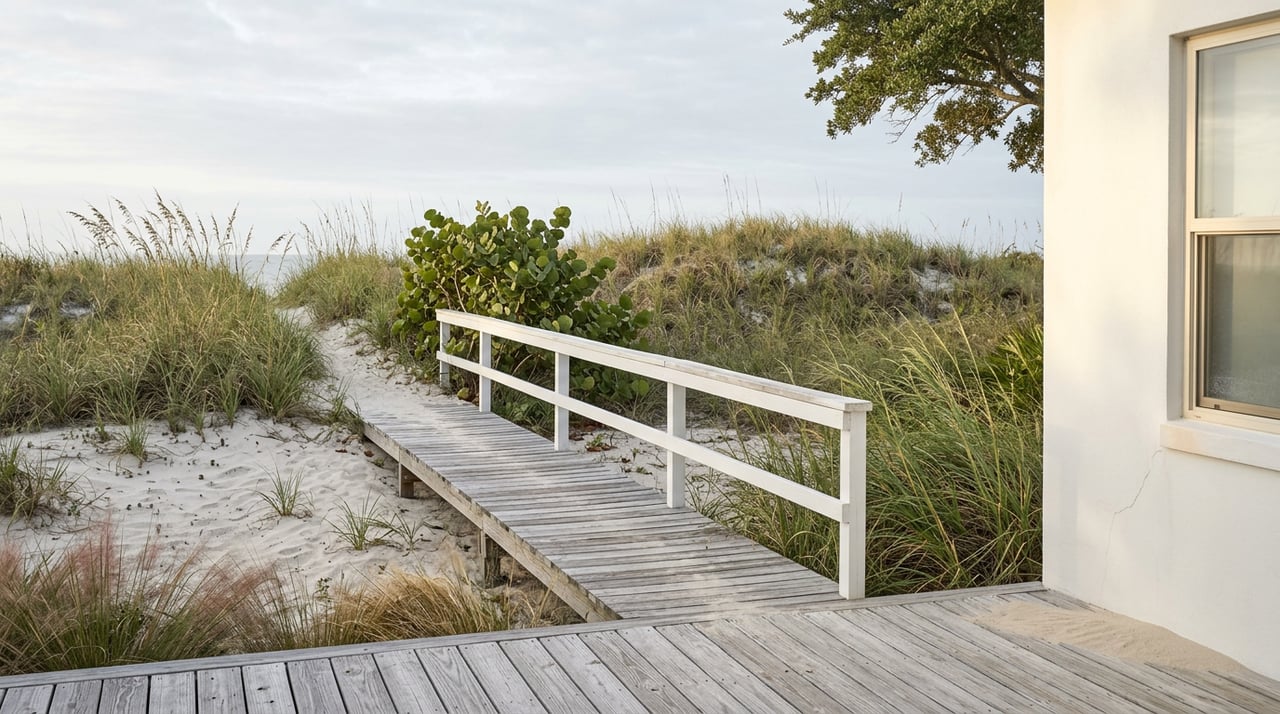
The combination of ancient Appalachian quartz sand, protected dunes, sea oats, pine forests, and globally rare coastal dune lakes gives 30A a landscape unlike almost anywhere else in Florida.
It is part beach destination, part ecological preserve — a place where geological history, rare ecosystems, and coastal beauty all meet along a single stretch of shoreline.
From the powder-soft beaches of Seagrove Beach to the dune lake scenery surrounding Grayton Beach State Park and Topsail Hill Preserve State Park, the natural environment is one of the primary reasons generations of families continue returning to 30A year after year.
Stay up to date on the latest real estate trends.
Whether you’re looking to buy, sell, or invest along the Emerald Coast, Laura’s unmatched local knowledge and meticulous approach will make all the difference. Known for her dedication to excellence, integrity, and client care, Laura is here to guide you every step of the way. Reach out today to experience a truly personalized, expert-led real estate journey with one of Northwest Florida’s most trusted brokers.