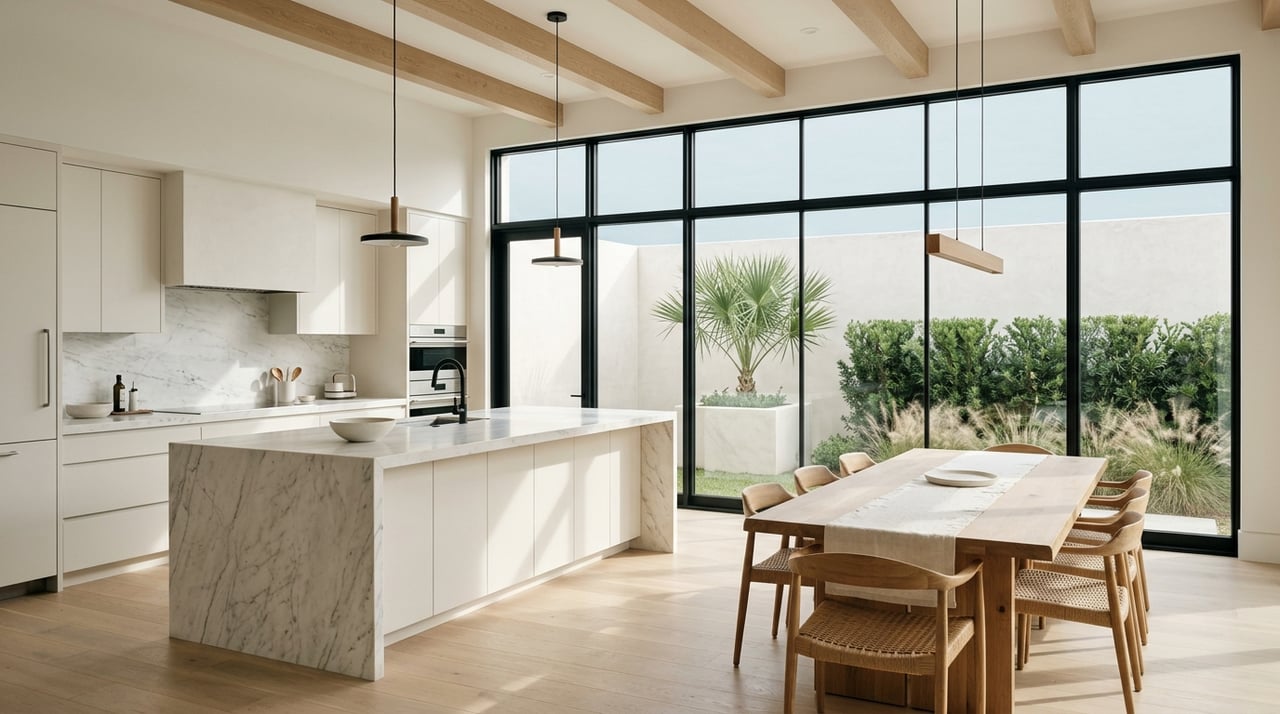
Santa Rosa Beach Primary vs Second Home: Which Fits?
May 14, 2026
May 14, 2026
Buying in Santa Rosa Beach sounds simple until one question changes everything: Will this be your primary home or your second home? That choice affects taxes, insurance planning, rental options, and even which part of the area may fit you best. If you are weighing a full-time move, a coastal getaway, or a part-personal, part-rental plan, this guide will help you sort through the key differences so you can buy with more clarity and confidence. Let’s dive in.
In Santa Rosa Beach, the same property can serve very different goals depending on how you plan to use it. Santa Rosa Beach is the largest and oldest South Walton neighborhood, stretching from Choctawhatchee Bay to the Gulf within the broader 30A corridor. Because the area is intentionally walkable, bike-friendly, and low-rise, your ownership plan often matters just as much as the home itself.
If you plan to live in the home full time, a primary residence may offer meaningful long-term benefits. If you want a beach retreat for personal use, a second home may be the better fit. If you hope to enjoy the property part of the year and rent it occasionally, a hybrid approach can work, but it usually requires the closest review.
For many full-time buyers, Florida homestead status is one of the biggest reasons to think carefully before you purchase. Florida and Walton County guidance say you must make the home your permanent residence, establish residency by January 1, and file by March 1 to claim homestead.
The homestead exemption can reduce taxable value by up to $50,000. Florida’s Save Our Homes rules can also limit annual assessment increases to the lesser of 3% or the Consumer Price Index, starting in the second year. If you later move within Florida, portability benefits may also apply.
These benefits can create more predictability in your annual ownership costs over time. For buyers relocating from another state, that can make a big difference when comparing Santa Rosa Beach with other coastal markets.
A primary residence often fits best if you want:
If that sounds like your plan, your search should focus on daily livability as much as beach access. Parking, storage, utility setup, and year-round convenience can matter more than vacation appeal alone.
A true second home usually does not receive homestead benefits. Walton County notes that when homestead eligibility is lost, the property is reassessed to just value. That means a second-home buyer should expect taxes to reflect a more market-based assessment after a sale and ownership change.
In practical terms, annual carrying costs may be less predictable than they are for a homesteaded primary residence. That does not make a second home the wrong choice. It simply means you should budget with clear eyes before you buy.
Florida also does not have a personal income tax, which many out-of-state buyers find appealing. At the same time, property taxes and other ownership costs still matter, especially in a coastal market where insurance and maintenance can be significant parts of the monthly picture.
A second home may be the better fit if you want:
For many buyers, this path is about lifestyle first. You may want a walkable condo, a beach cottage, or a townhome that lets you enjoy the area often without the demands of full-time occupancy.
A hybrid property can be appealing because it blends personal use with occasional rental income. It can also be the most rule-sensitive choice. Walton County says certain owner-occupied primary residences that are declared homestead and occupied full time may be exempt from the county’s short-term vacation rental certification requirements, even if they are rented occasionally.
At the same time, the county also warns that renting a homesteaded property can make it ineligible for homestead status. That is why hybrid buyers should be especially careful that the facts match the intended use of the home.
If you expect to rent the property at all, even occasionally, you should understand both local compliance and tax treatment before closing. Hybrid ownership can work well, but it usually requires more planning than either a true primary residence or a true second home.
Before buying a hybrid property, ask:
For federal tax treatment, the IRS says vacation homes with mixed personal and rental use can trigger allocation rules. If your use pattern may change from year to year, a CPA can help you understand what that may mean.
If the home will be used as a short-term rental, there are several moving parts. Walton County requires annual short-term vacation rental registration, and the county states that this registration is separate from Florida Department of Revenue, DBPR, and tourist development tax registrations.
Walton County also outlines annual registration fees, renewal windows, and penalties for operating without registration. That means buyers considering rental use should confirm the full compliance process before they purchase, not after.
On the tax side, Florida law allows counties to levy transient rental taxes on stays of six months or less. In South Walton, the current short-term rental tax total is 12%, made up of the 6% state sales tax, 1% county surtax, and 5% tourist development tax on the south side of Choctawhatchee Bay.
One of the biggest advantages of Santa Rosa Beach is variety. The area spans a broad section of South Walton, and the right answer often depends on the kind of ownership experience you want. Some locations feel quieter and more nature-forward, while others are more village-like and amenity-rich.
Because 30A is intentionally low-rise, your choices usually center on cottages, low-rise condos, townhomes, or single-family homes rather than high-rise inventory. That low-rise pattern shapes both the visual feel of the area and the kinds of ownership opportunities you will find.
Dune Allen and Gulf Place often appeal to buyers who want a more relaxed pace. Visit South Walton describes Dune Allen as a beach hideaway with trails, coastal dune lakes, regional beach access, and old Florida character. Gulf Place is described as a casual, colorful, walkable town center near the intersection of 30A and County Road 393.
These areas can work well for buyers who want a quieter second home or a lower-intensity year-round base. If your goal is ease, nature access, and a more understated setting, the west end may deserve a close look.
Central 30A neighborhoods often feel more active and village-oriented. Blue Mountain Beach is known for a laid-back feel and the highest elevation in South Walton. Grayton Beach is often described as eclectic, while Seagrove is known as a classic beach destination with family-run businesses and coastal dune lakes.
Seaside is known for walkable pathways and New Urbanist design, while WaterColor is presented as a small-town, luxury beach neighborhood. For buyers looking for strong vacation appeal, amenity access, or a vibrant second-home experience, these central areas may offer the right balance.
In Santa Rosa Beach, monthly ownership costs go well beyond principal and interest. You should also account for property taxes, insurance, HOA dues if applicable, utilities, and maintenance reserves.
Insurance deserves special attention in any coastal purchase. FEMA notes that flood insurance is separate from homeowners insurance, so buyers should confirm flood zone, ask about elevation, and budget for wind, flood, and homeowners coverage together.
Utilities can vary by parcel as well. Walton County lists multiple water, sewer, gas, and electric providers across South Walton, including Regional Utilities, South Walton Utility Company, Chelco, and FPL in different service areas. Two homes that look similar on paper may have different operating costs depending on exact location and utility setup.
Before you make an offer, estimate:
A home that works beautifully for long weekends may not feel the same during everyday life. If you are moving full time, think about the rhythm of your week, not just your ideal vacation day. Parking, storage, grocery access, and storm preparation may carry more weight than resort-style amenities.
Seasonality matters too. Visit South Walton notes that summer is the high season, while late fall, winter, and shoulder seasons tend to bring smaller crowds and lower rates. If you plan to use the property often, consider how the area feels in both busy and quiet times of year.
Santa Rosa Beach and the wider South Walton area also offer more than 50 beach and bay access locations. For some buyers, frequent access points support everyday living. For others, private amenities or a lock-and-leave setup may matter more.
If you are deciding between a primary home and a second home in Santa Rosa Beach, start with honest use patterns. Think about where you will spend most of the year, how often you may rent the property, and what level of carrying cost feels comfortable.
Then match that plan to the neighborhood, property type, and compliance picture. In this market, the best purchase usually comes from aligning your ownership goals with the home’s tax profile, flood and utility realities, and the day-to-day feel of the area.
A thoughtful strategy on the front end can save you time, money, and stress later. And in a place as varied as Santa Rosa Beach, that clarity can help you buy the right home for the life you actually want to live.
If you want help weighing neighborhood fit, ownership strategy, and the real carrying costs of buying along 30A, Laura Calhoun offers a polished, local, high-touch approach designed to help you make a confident move.
Stay up to date on the latest real estate trends.
Whether you’re looking to buy, sell, or invest along the Emerald Coast, Laura’s unmatched local knowledge and meticulous approach will make all the difference. Known for her dedication to excellence, integrity, and client care, Laura is here to guide you every step of the way. Reach out today to experience a truly personalized, expert-led real estate journey with one of Northwest Florida’s most trusted brokers.