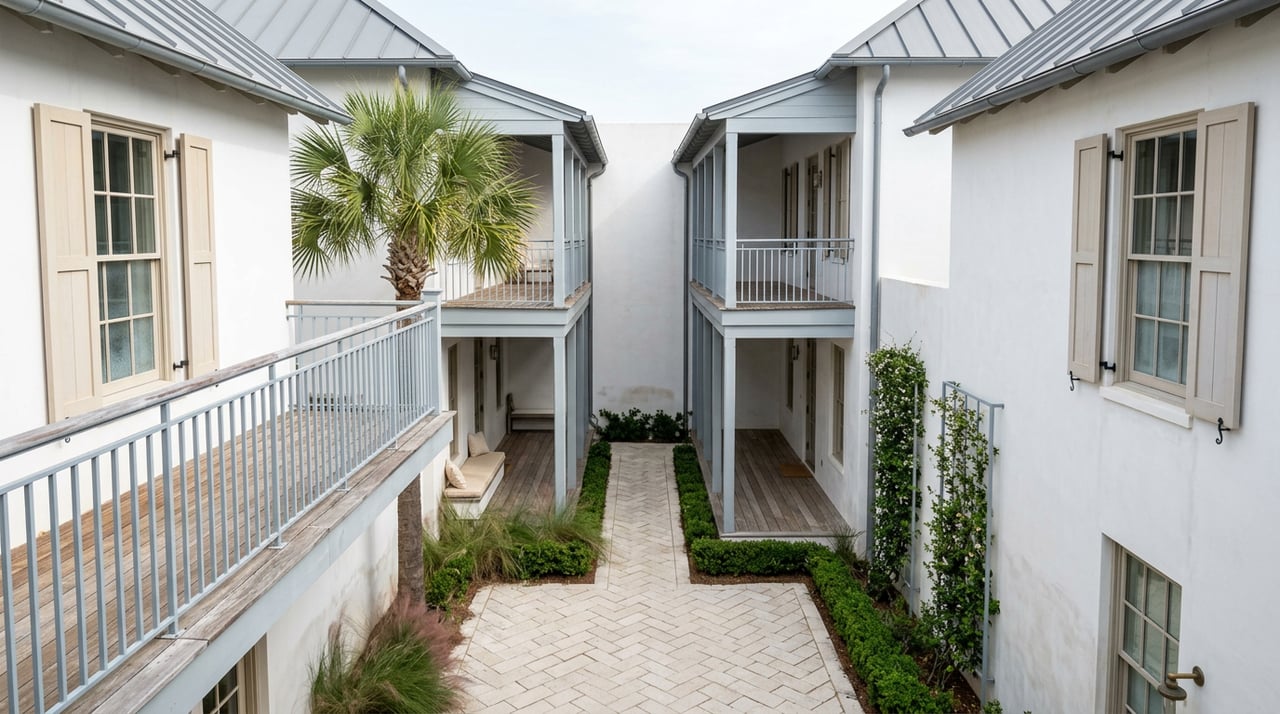
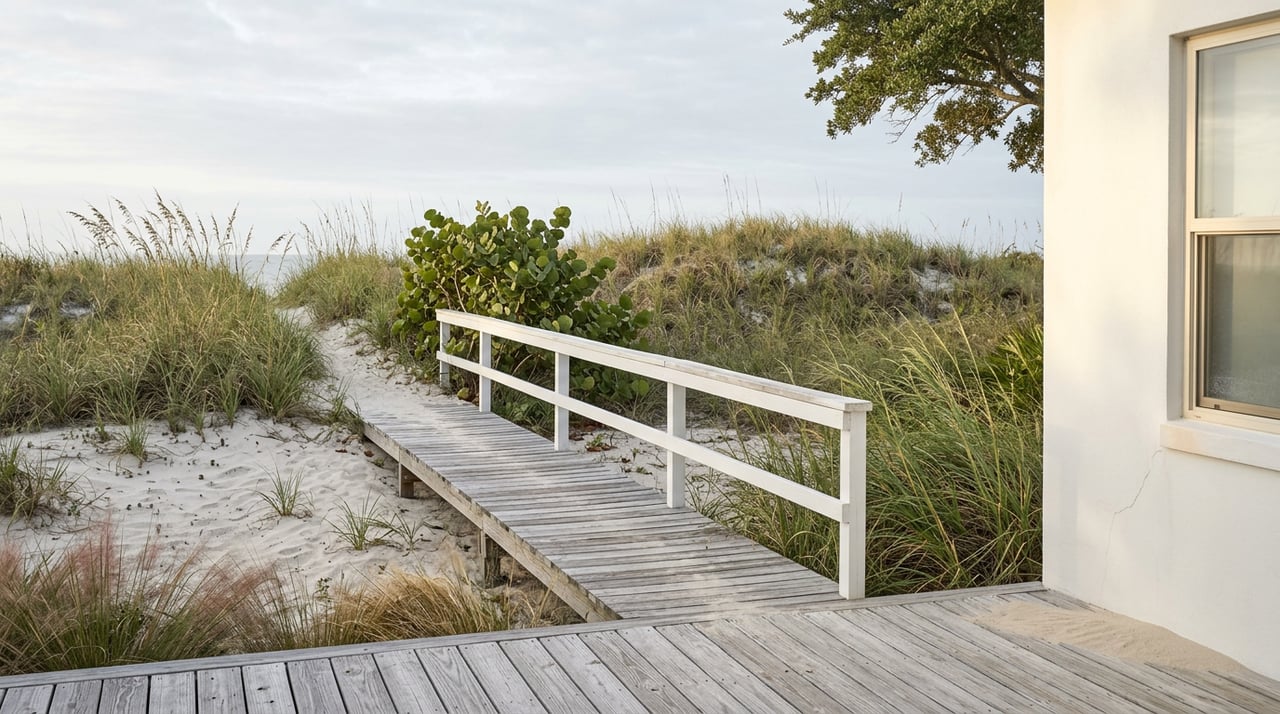
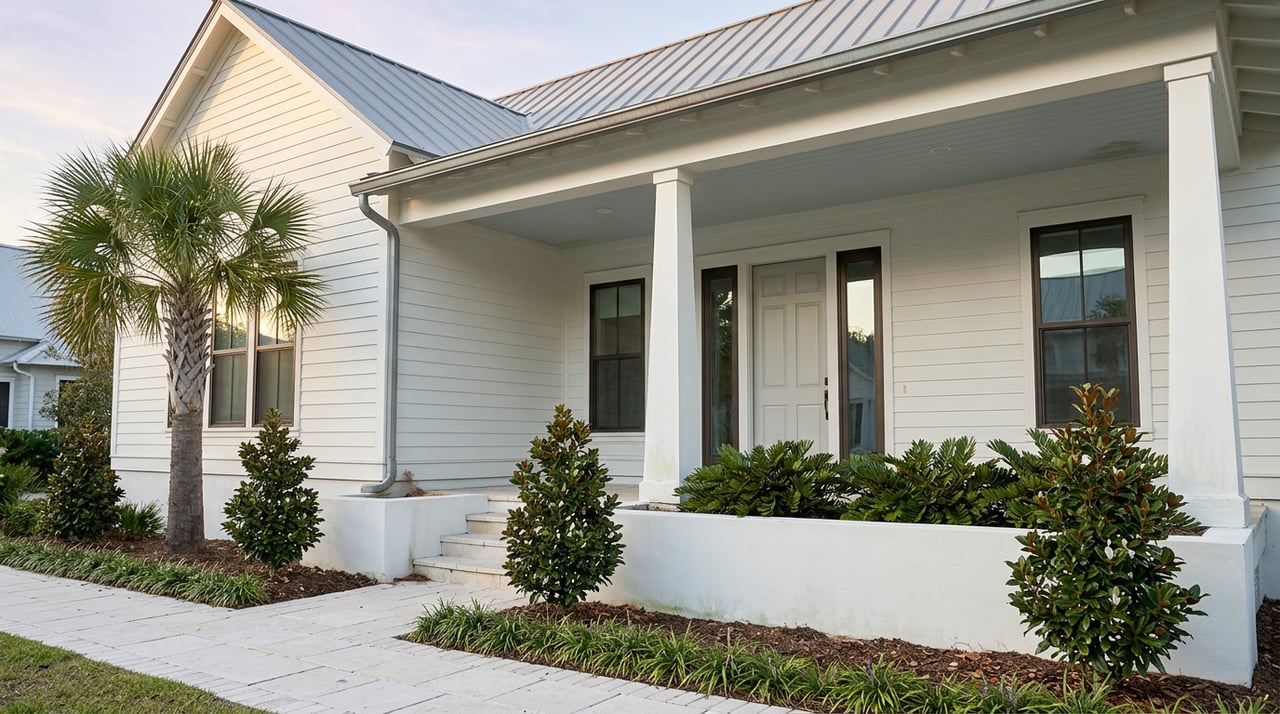
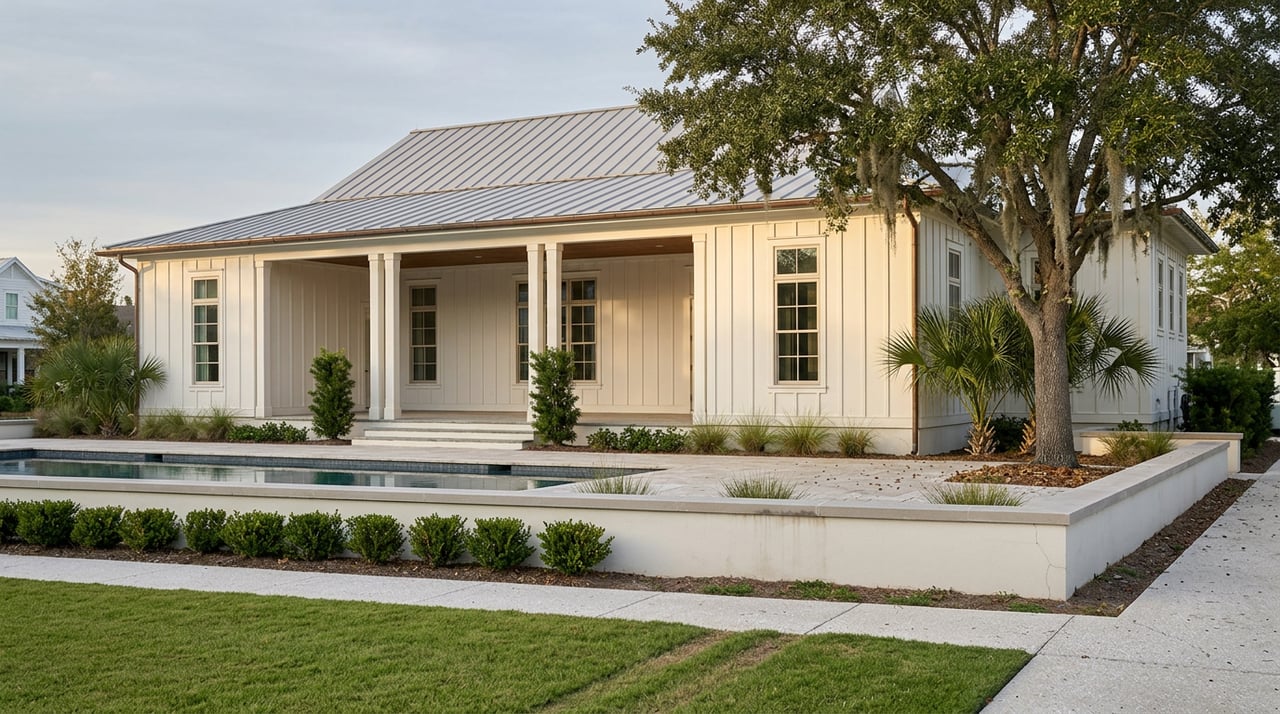
Is Santa Rosa Beach calling your name? If you are picturing bike rides along 30A, easy beach access, and a slower daily rhythm, you are not alone. Moving to a coastal resort market takes a different kind of planning, especially if you want good year-round routines and a home that fits your lifestyle. In this guide, you will get local context, practical checklists, and a clear path to decide where and how to land well. Let’s dive in.
Santa Rosa Beach at a glance
Santa Rosa Beach sits in unincorporated South Walton along Scenic Highway 30A. Locals often speak in micro-areas like Grayton Beach, Seagrove, Blue Mountain Beach, and Point Washington. These pockets feel different block to block, so on-the-ground time is essential.
This is a resort-driven market with many second homes and vacation rentals. Recent snapshots show high but variable pricing. Vendor data in late 2025 to early 2026 points to a range from a typical-value index near $839,000 (Dec 2025) to a median sale around $1.1 million (Feb 2026). Because methods differ, use live MLS comps and a local agent’s analysis for your exact street and property type.
If you plan to rent your home part-time, South Walton properties are subject to a 5% Tourist Development Tax on short-term stays. You can confirm rules and registration through the county’s Tourist Development Tax resources.
Commute patterns lean heavily on driving. U.S. Census QuickFacts shows Walton County’s mean travel time to work at about 29 minutes, and most residents commute by car. Expect limited fixed-route transit and plan your daily routes with seasonality in mind. See county trends in Census QuickFacts.
Neighborhoods and micro-areas
Each pocket along 30A offers a distinct feel. Use the notes below as a starting point, then walk and drive during both peak season and the off-season.
Grayton Beach
- Character: Historic village vibe near preserved dunes and trails. Grayton Beach State Park sits next door, a big plus for everyday beach and nature time. Explore amenities and access on the Grayton Beach State Park page.
- Practical checks: Parking is tight in peak weeks. Many cottages are older or on pilings, and flood zones vary. Verify the parcel’s FEMA flood zone and ask for recent elevation and wind-mitigation documentation.
- Who it fits: You want an Old-Florida, pedestrian-friendly setting with quick access to sand, trails, and dune lakes.
Seagrove and Seaside area pockets
- Character: A classic 30A stretch with a mix of condos and single-family homes, plus dining and retail nearby.
- Practical checks: Short-term rental activity is common. Confirm HOA rules on rental minimums, parking, and use before you make an offer.
- Who it fits: You want beach access and amenities close by, and you are comfortable with a mix of residents and visitors.
Blue Mountain Beach
- Character: Slightly higher elevation than nearby beach towns, with bikeable and walkable pockets and a laid-back pace.
- Practical checks: Elevation can be a plus for insurance, but do not assume. Always confirm the specific flood zone and get at-address insurance quotes.
- Who it fits: You value quieter streets, local shops, and a neighborhood feel with easy access to 30A.
Point Washington
- Character: Inland from 30A with a mix of residential enclaves and large parklands, including Point Washington State Forest and bay access spots. Trail lovers can preview the Point Washington State Forest brochure.
- Practical checks: Commutes rely on US‑98 and local connectors. Lots vary widely in size and setting, so survey, flood status, and utilities are key.
- Who it fits: You want more interior space, proximity to parks, and a calmer setting a short drive from the beach.
Getting around and daily logistics
Roads and traffic patterns
CR‑30A is the scenic coastal spine with lower speeds and bike paths. US‑98 is the faster east–west connector. Both see heavier congestion in spring and summer. Before you buy, drive your likely routes at different times of day, including a weekend and a busy summer date. For corridor context, review the county’s Scenic Highway 30A plan.
Commutes and transit
Most residents drive. County-level data shows long solo commutes as the norm, and fixed-route transit is limited. A free county shuttle serves select routes, with seasonal options near tourist hubs. For many households, a car remains essential.
Airports and longer trips
Destin–Fort Walton Beach Airport (VPS) and Northwest Florida Beaches International (ECP) are the two most-used airports. Depending on your exact address and traffic, plan for roughly 30 to 60 minutes by car. Test-drive your preferred airport route at your typical arrival time.
Health care access
South Walton is served by regional hospital networks. One nearby option is Ascension Sacred Heart Emerald Coast in Miramar Beach. Map your nearest ER, urgent care, and primary-care offices before you move.
Utilities and connectivity
Internet speeds and cell coverage can vary by street. Ask for recent internet bills, check provider service maps, and confirm any HOA internet arrangements. For remote workers, test speeds at the property and at a couple of nearby cafés.
Parks, lifestyle, and seasonality
Everyday outdoor assets
- Grayton Beach State Park: Beach access, dunes, and trails for regular walks and family visits. See details on the state park page.
- Point Washington State Forest: Multiuse trails through pine flatwoods and wetlands, a quick inland reset from the coast. Preview the official brochure.
Topsail Hill Preserve State Park and Eden Gardens State Park are also nearby, adding more trails, gardens, and dune lakes to your weekly routine.
Seasonality and hurricane readiness
Spring and summer bring peak visitors, heavier traffic, and busy beach access points. County bed-tax revenues help fund lifeguards and seasonal beach services. Winter slows down, and some businesses reduce hours.
Hurricane season runs from June 1 to November 30. Before you commit to a property, check FEMA flood maps for the address and review Walton County’s local flood and evacuation guidance. Start with the county’s Local Flood Information Guide and search your parcel’s flood zone through FEMA’s Map Service Center link provided here: FEMA Flood Map Service Center. Ask your insurance agent about wind and flood coverage, as flood is typically a separate policy from homeowners.
Your 1–3 day scouting plan
Use this quick checklist to get a real feel for daily life before you buy.
- Drive CR‑30A and US‑98 on a weekday, a weekend, and one summer peak day to gauge travel times and parking. Review the Scenic 30A plan for context.
- Walk or ride the Timpoochee Trail and visit a public beach access in each micro-area on your shortlist.
- Tour Grayton Beach State Park to see typical crowds, access, and amenities at different hours. Use the state park page to confirm details.
- Meet with a local real estate advisor to review comps and, if you plan to rent, request recent rental performance snapshots. Confirm HOA CC&Rs, rental minimums, and parking rules. For rental tax rules, use the county’s TDT resources.
- Map grocery, pharmacy, and medical options. Identify your nearest ER and urgent care, like Ascension Sacred Heart Emerald Coast, then test your likely commute routes at target times.
- Test mobile reception and internet speeds at each property and in a couple of nearby work spots.
Budgeting for coastal ownership
Set realistic ranges, then confirm with quotes tied to the exact address and home specs.
- Purchase price and closing costs: Use recent MLS comps and street-level analysis for apples-to-apples comparisons across 30A.
- Property taxes: Confirm parcel estimates and the assessment calendar with the Walton County Property Appraiser and Tax Collector. Second homes are not eligible for homestead caps on assessed value.
- Insurance: Price homeowners coverage including wind, then get a separate flood quote if required by your lender or if you choose to carry it. Flood is typically not part of standard homeowners policies. Verify the flood zone using the FEMA MSC link.
- HOA fees and assessments: Review CC&Rs for rental allowances, minimum stays, parking, and any special assessments for shoreline or amenities. For short-term rentals, confirm reporting and remittance using the county’s TDT portal.
- Maintenance: Salt air, elevated foundations, pools, and landscaping can add to upkeep. Many owners reserve 1 to 3 percent of value annually, but ask local contractors for a site-specific estimate.
- Seasonal reserves: Budget for hurricane readiness, temporary relocation if needed, and quick repairs after a storm.
Transitioning a vacation home to full-time living
Ready to make 30A your primary residence? Work through these steps.
- Update mailing address, licenses, and utilities. Set services to year-round.
- Apply for Florida Homestead Exemption if eligible. The process includes deadlines and occupancy rules, so confirm details with the Walton County Property Appraiser.
- Update insurance to reflect primary occupancy. Confirm flood coverage and your lender’s requirements.
- If you had a rental program, exit or adjust the contract, update maintenance schedules, and notify your HOA if required. Walton County requires short-term rental registration and remittance through the TDT portal where applicable.
- If schools are part of your plan, verify attendance zones directly with the Walton County School District. As a reference point for the area, review the district site for South Walton High School, then use the district’s tools to confirm your specific address.
Thinking about next steps, a local advisor can help you compare micro-areas, interpret comps, and plan for seasonality with confidence. If you want hands-on support, neighborhood introductions, and data-informed guidance tailored to your goals, connect with Laura Calhoun. Schedule a free consultation to map your move.
FAQs
What should I know about Santa Rosa Beach home prices?
- Data snapshots show a wide range in late 2025 to early 2026, from a typical-value index near $839,000 to a median sale around $1.1 million, so use live MLS comps and a local analysis for your exact property.
How does the 5% rental bed tax work in South Walton?
- South Walton short-term rentals are subject to a 5% Tourist Development Tax, and owners must register and remit through the county’s TDT resources.
Do I need flood insurance for a home near 30A?
- If your parcel is in a Special Flood Hazard Area or your lender requires it, yes, and you can confirm the flood zone by address using the FEMA Map Service Center.
What is the typical commute like in Walton County?
- Expect a drive-first lifestyle with a mean commute near 29 minutes countywide and heavier traffic in spring and summer, according to Census QuickFacts.
Which airports serve Santa Rosa Beach?
- Most residents and visitors use VPS or ECP, and typical drive times range from about 30 to 60 minutes depending on your address and traffic conditions.
How do I verify school assignments for my address?
- Check directly with the Walton County School District, starting with the district site for South Walton High School, then use the district’s tools to confirm your parcel’s current zoning.