In-Depth Seaside Vacation Rental Buying Guide
February 19, 2026
February 19, 2026
Ever dream of a charming Seaside cottage that pays for part of its keep? In Seaside, the right home, location, and amenities can translate into strong short-term booking demand. Still, success depends on understanding county rules, community policies, seasonality, and true operating costs before you buy. This guide walks you through the essentials so you can evaluate a Seaside purchase with confidence. Let’s dive in.
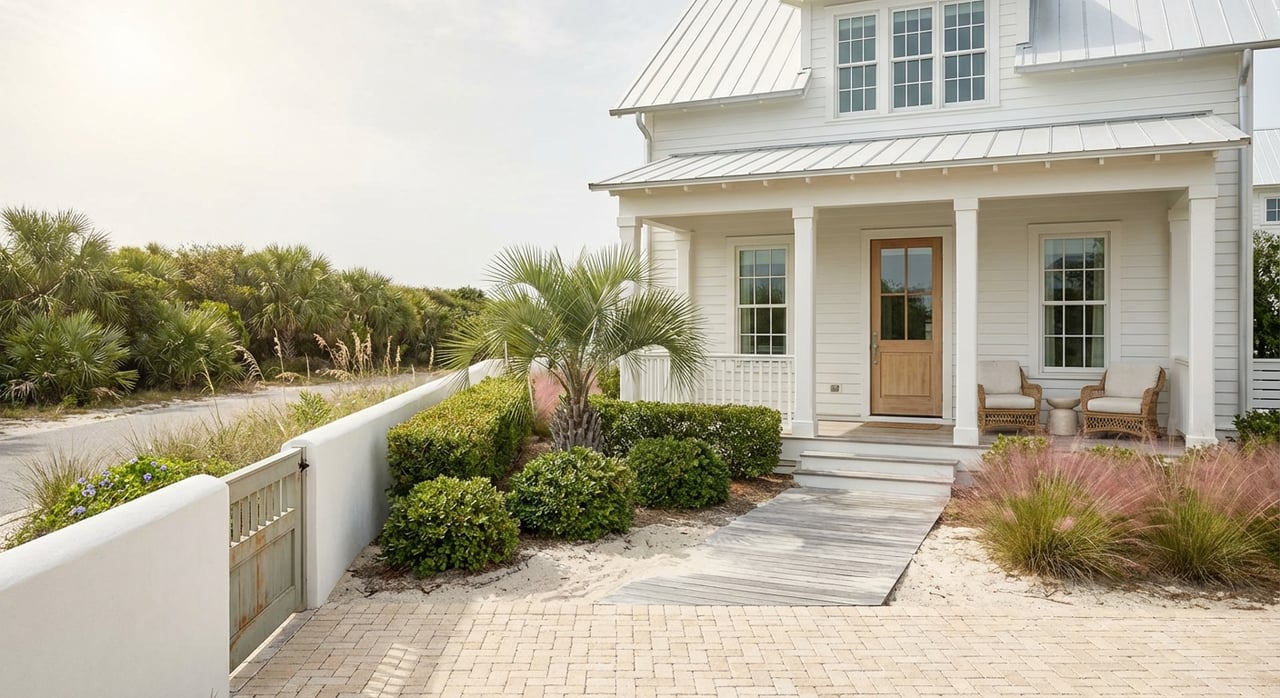
Seaside’s walkable town plan, private beach pavilions, and lively Central Square create steady guest appeal. Weekly events at the Amphitheatre and in-town markets add energy that supports booking demand, especially for homes steps from the square and beach walkovers. You’ll see phrases like “short stroll to town” and references to Tupelo Pavilion in many listings because walkability helps drive higher nightly rates and faster bookings.
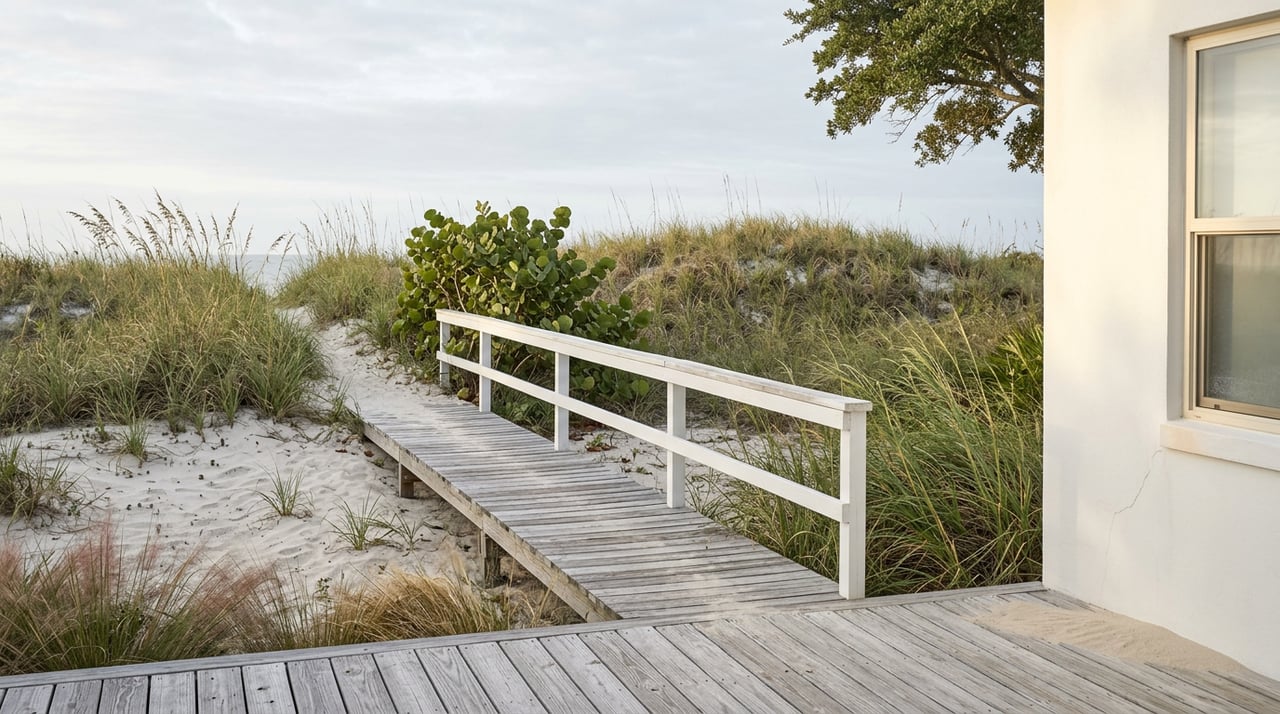
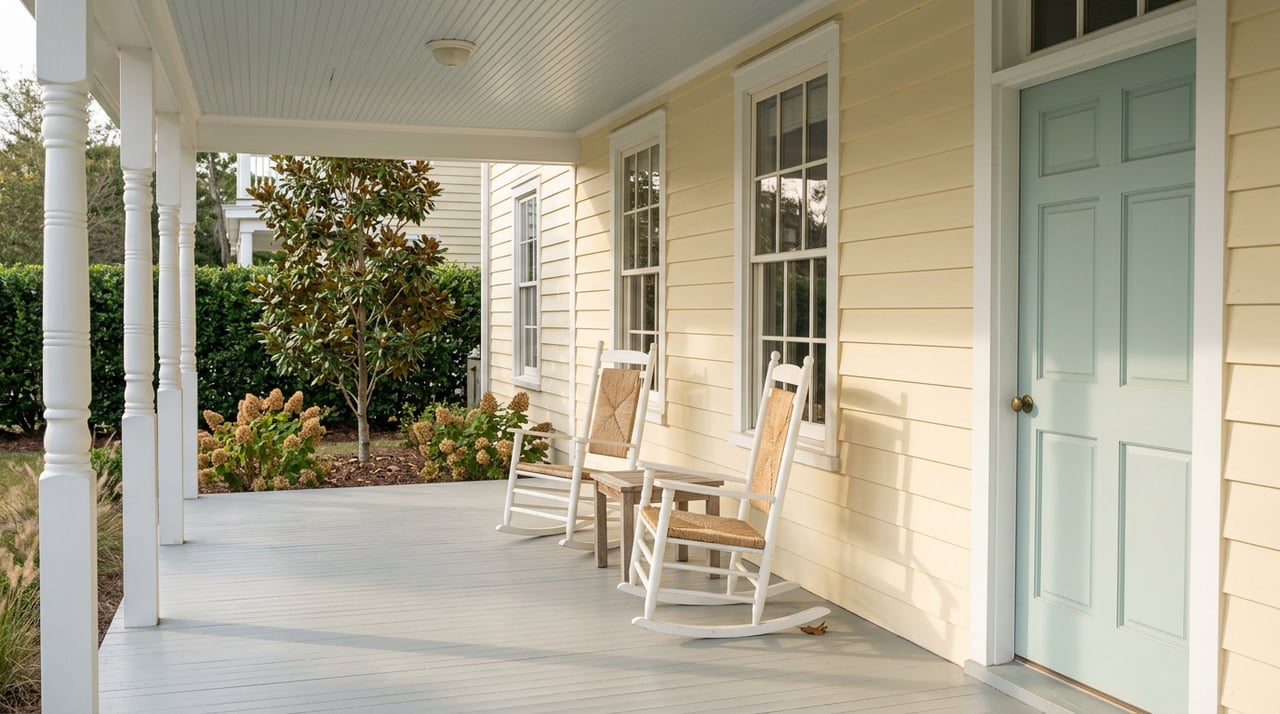
Guests also value a curated set of features. High-performing homes typically offer easy beach access with wristbands or codes, comfortable porches for sunset viewing, quality kitchens, reliable high-speed Wi‑Fi and streaming, bikes, a washer/dryer, outdoor showers, and access to on‑site or community pools. EV chargers, private pools, and modern finishes can support premium pricing when paired with a great location.
If you plan to rent short-term in Seaside, start with compliance. Walton County requires short‑term vacation rentals to register under the county’s Short‑Term Vacation Rental program and renew each year. The county outlines application forms, renewal windows by ZIP code, and penalties for operating without registration on its official program page. Review the latest requirements on the county’s Vacation Rental Registration Program page before you rely on rental income forecasts: Walton County STVR program.
The county also enforces life‑safety and neighbor-compatibility standards. You must designate a local responsible party reachable 24/7, post emergency and occupancy information, and follow parking rules. The county’s FAQ explains enforcement expectations and references for inspections and documentation: Walton County STVR FAQ. Local reporting has also highlighted fines for non‑registered rentals, which underscores the need to register and stay current: Walton County enforcement example.
In many cases, Florida also requires a lodging license through the Department of Business & Professional Regulation (DBPR) for vacation rental operations. Walton County expects you to maintain DBPR licensing where applicable, and certain multi‑story buildings may require periodic balcony or structure inspections. Learn more in the county FAQ on STVR and licensing: DBPR expectations in county FAQ.
Finally, plan for state and local taxes. Short‑term rentals in Seaside are subject to Florida’s transient rental tax (state sales tax plus any local surtax) and the Walton County Tourist Development Tax (TDT). The county clerk’s office publishes the TDT district map, rates, and the collection portal for monthly remittance. Platforms do not always remit TDT on your behalf, so you are responsible for registration and payment through the county portal: Walton County TDT guidance. For state sales tax and registration details, review the Florida Department of Revenue guidance noted in this industry overview: Florida transient rental tax basics. Always confirm current rates before modeling revenue.
Seaside is a planned community with private covenants and amenity policies that vary by property and sub‑association. Before you buy, obtain and read the CC&Rs, rental rules, and amenity agreements for the specific home. Common rules can include wristband limits for beach and pool access, golf cart or LSV restrictions, defined parking capacity, pet policies, and minimum‑age requirements for renters. These details can impact occupancy, guest experience, and marketing language.
Many rental listings in Seaside spell out how wristbands, amenity passes, and beach access work for guests. For example, some listings reference Tupelo Pavilion access and wristbands in their property descriptions. You can see how these practices are presented to travelers in example listings like this one: Seaside listing with wristbands and pavilion access. Your purchase analysis should assume exactly the amenity access and limits your HOA allows.
Seaside’s rental calendar is seasonal. Peak demand and rates usually center on late May through early August, as well as holiday and event weekends. Shoulder seasons in spring and fall often perform well, especially when you market around festivals and long weekends. Event programming in and around Central Square, including the Seaside Amphitheatre and markets, can create noticeable demand spikes: South Walton events overview.
Location also shapes revenue. Homes within a short walk of the Amphitheatre, town center, and beach walkovers often command higher ADRs and book more quickly than homes that require longer walks or drives. If you are debating between two properties, weigh walkability and private beach access as product features, not just lifestyle perks.
Forecast your Average Daily Rate (ADR) by peak, shoulder, and off‑peak periods rather than one blended number. Model occupancy by month to reflect weekly stays in summer and shorter bookings in spring and fall. You can cross‑check your assumptions with comparable Seaside listings and reputable STR analytics tools for the 32459 market.
List every line item that reduces gross bookings to net cash flow. Include platform and payment fees, variable cleaning and linen turnover per stay, utilities, routine maintenance, reserves for furnishings, and HOA or amenity fees. If you plan to hire a property manager, full‑service firms commonly charge a percentage of rental revenue, while lower‑fee models may expect you to coordinate housekeeping. Ranges vary by service level, so compare carefully: property management fee overview.
Do not overlook insurance, property taxes, and compliance costs. Coastal insurance can carry higher premiums with wind or hurricane deductibles. If the home sits in a FEMA flood zone, you may need flood insurance, which increases holding costs; check the property’s flood designation here: FEMA Flood Map Service Center. For taxes, remember you are responsible for state transient rental tax plus local TDT remittance: Walton County TDT guidance and Florida transient rental tax basics.
Run three versions of your pro forma so you see your range of outcomes.
From each case, calculate Net Operating Income, cash flow after fixed costs, cash‑on‑cash return, DSCR, and cap rate. Treat walkability, private beach access, and premium amenities as inputs that can move ADR and occupancy.
Hurricane season runs from June 1 through November 30. Build guest communication and policies that address named-storm cancellations, evacuation guidance, and post‑storm inspections. NOAA’s resources are a helpful starting point for planning and guest guidance: National Hurricane Center.
Operationally, confirm that required safety information is posted in the home, maintain working smoke detectors, and include a local emergency contact in your guest materials. Your insurance agent should confirm in writing that short‑term rental use is covered by your policy and explain wind or hurricane deductibles so you can stress test cash flow.
Use this quick list to keep your evaluation on track.
Verify Walton County short‑term rental registration requirements for the specific parcel, application documents, and renewal timing: County STVR program.
Register for and understand local Tourist Development Tax, confirm your district and the current rate, and plan monthly remittances: Walton County TDT guidance.
Confirm whether your property requires a Florida DBPR license and, if applicable, any balcony or structural inspection certificates for multi‑story buildings: DBPR expectations in county FAQ.
Obtain and read the CC&Rs, rental rules, and amenity agreements. Clarify wristband limits, beach and pool access, parking capacity, golf cart policies, pet rules, and any renter age requirements.
Request the seller’s rental P&L and booking calendar. Cross‑check ADR and occupancy with comparable Seaside listings and a trusted STR analytics tool.
Confirm parking capacity on site and any county advertising requirements related to occupancy or permit numbers.
Get insurance quotes that include coastal wind coverage and flood insurance if the address sits in a FEMA flood zone: FEMA Flood Map Service Center.
If you plan to use a manager, compare contracts and fees by service level, including housekeeping programs and pass‑through costs: property management fee overview.
Identify your local responsible party, as required by Walton County, and build that response plan into your guest communications.
Confirm life‑safety equipment and posted emergency information align with county expectations. Keep records ready for complaint‑driven inspections.
Note: Before relying on projected rental income, consult a Florida real estate attorney and a CPA about licensing and taxes for your ownership structure and use.
If Seaside fits your goals, narrow to a short list of homes with strong walkability, clear amenity access, and clean compliance paths. Build a seasonally detailed revenue model, add real operating quotes, and run scenario tests. Then negotiate with confidence, knowing where a property’s ADR and occupancy potential come from.
If you want a local, data‑driven partner to help you source on‑ and off‑market options and pressure test the numbers, schedule time with Laura Calhoun. You’ll get white‑glove guidance on property selection, HOA due diligence, and a clear, investor‑friendly path to the closing table. Schedule a free consultation to start your Seaside search.
Stay up to date on the latest real estate trends.
Whether you’re looking to buy, sell, or invest along the Emerald Coast, Laura’s unmatched local knowledge and meticulous approach will make all the difference. Known for her dedication to excellence, integrity, and client care, Laura is here to guide you every step of the way. Reach out today to experience a truly personalized, expert-led real estate journey with one of Northwest Florida’s most trusted brokers.